LCD vs OLED iPhone Screen – 7 Key Differences You Must Know Before Buying (2026 Guide
Introduction to LCD vs OLED iPhone Screen
When it comes to choosing replacement parts, understanding the difference between LCD vs OLED iPhone screen is essential for repair shops, wholesalers, and distributors. Many customers ask: Which screen is better? Which one should I buy?
The truth is, both screen types have their own advantages and are suited for different needs. Whether you're repairing devices or sourcing parts in bulk, knowing the pros and cons of LCD vs OLED iPhone screen can help you make smarter business decisions.
In this guide, we'll break down everything you need to know, including performance, cost, durability, and the best option for your repair business.
What is an LCD iPhone Screen?
How LCD Technology Works?
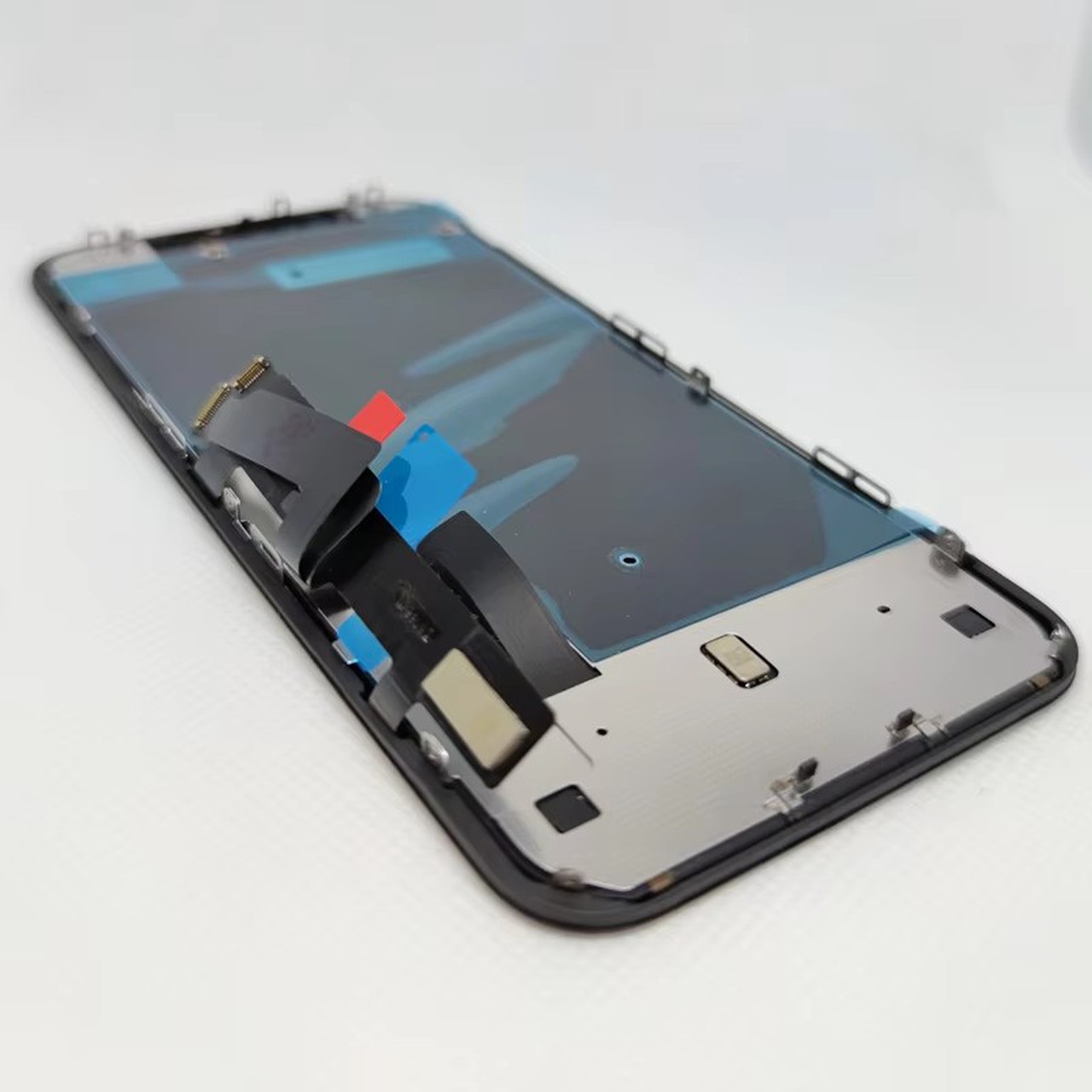
An LCD (Liquid Crystal Display) uses a backlight to illuminate pixels. This technology has been widely used in many iPhone models, such as iPhone XR and iPhone 11.
Unlike OLED, LCD screens require constant backlighting, which affects contrast and power efficiency. However, they remain a popular choice due to their affordability and reliability.
Advantages of LCD Screens
LCD screens offer several benefits:
- Lower cost compared to OLED
- Strong durability under impact
- Stable supply in the wholesale market
- Ideal for budget repairs
For businesses focusing on volume, LCD screens are often the preferred choice.
What is an OLED iPhone Screen?
How OLED Technology Works?
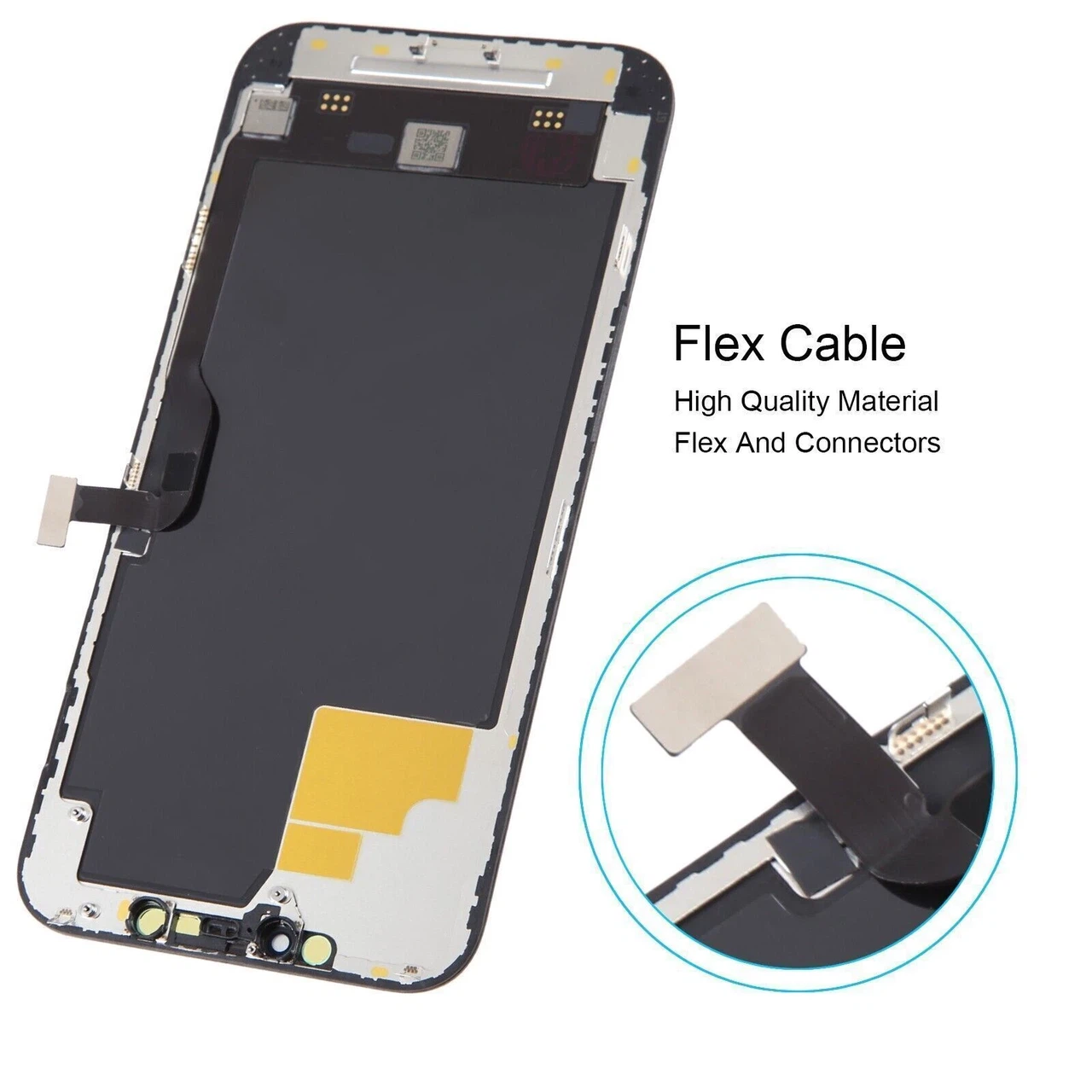
OLED (Organic Light Emitting Diode) screens do not require a backlight. Each pixel emits its own light, allowing for deeper blacks and better contrast.
This advanced technology is used in premium iPhone models like iPhone X, 12, 13, and newer.
Advantages of OLED Screens
OLED screens provide:
- Superior display quality
- Higher contrast ratios
- Thinner and more flexible design
- Better energy efficiency
These features make OLED ideal for high-end repairs.
LCD vs OLED iPhone Screen: Key Differences
Display Quality Comparison
When comparing LCD vs OLED iPhone screen, display quality is the biggest difference.
- OLED offers true blacks and vibrant colors
- LCD provides consistent but less dynamic visuals
???? OLED clearly wins in display performance.
Price Comparison
Price is a major factor for buyers.
- LCD screens are significantly cheaper
- OLED screens can cost 2–3 times more
For bulk buyers, LCD offers better margins.
Durability Comparison
Durability is often overlooked in the LCD vs OLED iPhone screen debate.
- LCD screens are more resistant to physical damage
- OLED screens are more fragile due to their thin structure
???? For repair shops, LCD may reduce return rates.
Power Consumption
- OLED uses less power when displaying dark content
- LCD consumes constant power due to backlight
OLED is more energy-efficient overall.
Which is Better: LCD or OLED iPhone Screen?
The answer depends on your needs.
Choose LCD if you want:
- Lower cost
- Higher durability
- Better for wholesale
Choose OLED if you want:
- Premium display
- High-end repairs
- Better user experience
There is no "one-size-fits-all" answer in the LCD vs OLED iPhone screen comparison.
Best Choice for Repair Shops
For most repair businesses:
???? LCD screens are the best option because:
- Lower purchase cost
- Higher profit margins
- Fewer customer complaints
However, offering both options allows you to serve different customer segments.
Wholesale Buying Guide for iPhone Screens
If you are sourcing parts, consider:
1. Product Consistency
Ensure every batch meets quality standards.
2. Supplier Reliability
Choose suppliers with stable inventory.
3. Price vs Quality Balance
Avoid extremely cheap products.
4. Testing Before Bulk Orders
Always test samples first.
A good supplier can make a big difference in your business success.
Common Myths About LCD vs OLED
❌ Myth 1: OLED is always better
✔ Reality: It depends on use case and budget.
❌ Myth 2: LCD quality is poor
✔ Reality: High-quality LCD screens perform very well.
❌ Myth 3: OLED lasts longer
✔ Reality: OLED can suffer from burn-in over time.
FAQs
1. What is the main difference between LCD and OLED iPhone screens?
OLED offers better display quality, while LCD is more affordable and durable.
2. Which screen is better for repair business?
LCD is usually better due to lower cost and higher margins.
3. Is OLED worth the higher price?
Yes, for premium users who value display quality.
4. Do LCD screens last longer than OLED?
LCD screens are generally more durable in daily use.
5. Which screen is easier to install?
Both are similar, but LCD is often more forgiving.
6. Can I use LCD instead of OLED for replacement?
Yes, depending on customer preference and budget.
Conclusion
Understanding the differences between LCD vs OLED iPhone screen is essential for anyone involved in mobile repair or wholesale distribution. Each option has its own strengths, and the best choice depends on your target market and business model.
For most repair shops and bulk buyers, LCD screens offer the best balance of cost, durability, and profit potential. Meanwhile, OLED screens remain the top choice for premium repairs.
By choosing the right screen type and working with reliable suppliers, you can improve customer satisfaction and grow your business successfully.